 Live Greyhound Betting
 Greyhound Racing Calendar UK | Major Events, Derby & Key Fixtures
 Available in US
UK greyhound racing calendar and major events guide. Greyhound Derby, St Leger, Oaks, puppy classics and key fixtures throughout the year for bettors and fans.
The Season Has a Shape — and Knowing It Matters
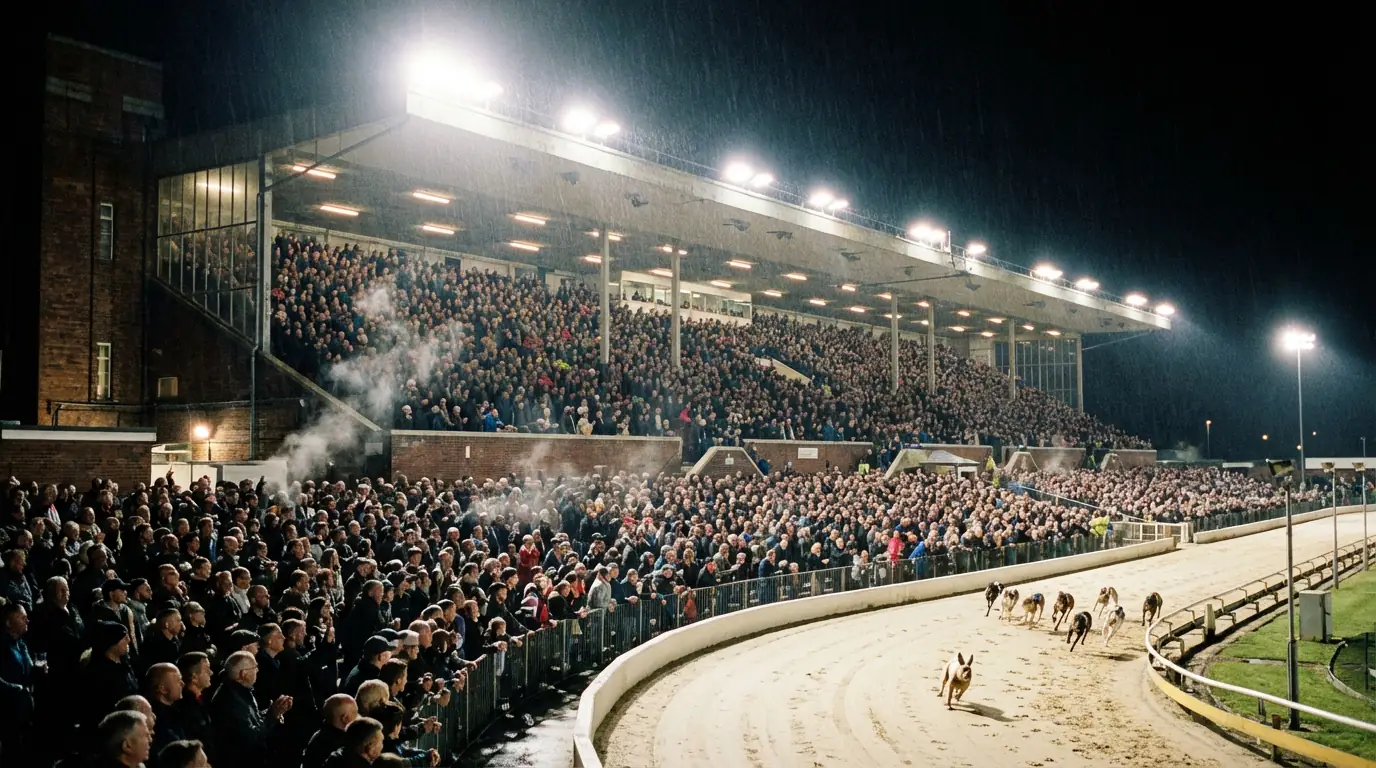
Greyhound racing in Britain does not operate on a traditional season in the way that football or cricket does. Racing runs year-round, with BAGS fixtures filling every weekday and open meetings occupying most evenings and weekends. But within that continuous schedule, a calendar of major competitions gives the sport its structure, its narrative arc, and its most significant betting opportunities. The English Greyhound Derby, the St Leger, the Cesarewitch, and a constellation of other events punctuate the year with higher-profile racing that draws the best dogs, the biggest crowds, and the sharpest markets.
For bettors, knowing the calendar is a practical advantage. Major events generate ante-post markets, attract media coverage that surfaces form information, and produce the most competitive and analytically rich fields of the year. Planning your betting activity around the key meetings — rather than approaching them as random additions to the daily schedule — allows you to prepare, study the entries, and engage with the events that offer the best racing and the deepest markets.
English Greyhound Derby
The English Greyhound Derby is the most prestigious event in UK greyhound racing and the centrepiece of the annual calendar. First run in 1927, the Derby has been held at various venues throughout its history and is currently staged at Towcester. The competition draws the fastest and most accomplished greyhounds in training, and winning the Derby remains the highest honour in the sport.
The Derby is contested over a series of rounds — typically first-round heats, quarter-finals, semi-finals, and a six-dog final. The competition spans several weeks, with each round eliminating dogs from the field until the six finalists are determined. This multi-round format creates a rolling narrative that builds public and betting interest as the event progresses. Ante-post markets open when entries are announced, and the odds shift through each round as dogs are eliminated and the picture clarifies.
From a betting perspective, the Derby is the most widely traded greyhound event. Ante-post markets are available from all major bookmakers, and the final itself generates the highest single-race betting turnover in the sport. The quality of the field means the form book is deep — these dogs have extensive race histories, detailed sectional data, and well-documented running styles. The challenge for bettors is that the market is correspondingly sharp. More people study Derby form than any other greyhound event, and the odds reflect that scrutiny. Finding value in the Derby requires either a strong early ante-post view or a contrarian assessment of the final field that differs from the market consensus.
The Derby is typically held in late spring or early summer. The exact dates vary by year, and the schedule is confirmed by the GBGB several months in advance. If you plan to bet on the Derby — whether ante-post or on individual rounds — monitor the entries and early trials from the beginning of the year, when the leading trainers begin positioning their dogs for the competition.
Other Major Competitions
The St Leger is the premier staying event in UK greyhound racing, contested over a longer distance than the Derby and demanding stamina alongside speed. The St Leger attracts a different profile of dog — stayers with the endurance to maintain pace over five or six bends rather than the explosive sprinters who dominate the Derby. The competition follows a similar multi-round format, and the ante-post market, while smaller than the Derby’s, is actively traded by the major bookmakers. The St Leger is typically held in the autumn.
The Cesarewitch is another major staying competition, traditionally one of the oldest and most respected events in the calendar. Like the St Leger, it tests stamina and consistency over longer distances. The Cesarewitch field often includes dogs that have contested the St Leger, creating form links between the two events that bettors can use to assess relative ability. The Cesarewitch is usually staged in the autumn or early winter period.
The Puppy Derby and Puppy Classic are age-restricted competitions for younger dogs, typically under two years of age. These events identify the rising talent in the sport and are closely watched by trainers and bettors who want to assess which dogs might develop into open-class competitors in the following season. Puppy events produce less reliable form — young dogs are still developing physically and learning to race — but they generate excitement and offer ante-post betting opportunities at longer prices than the senior competitions.
The Scottish Greyhound Derby, the Arc, and various track-specific championship events round out the major competition calendar. These events vary in prestige and betting interest, but each attracts a strong field at its level and provides an evening of racing that is a step above the routine BAGS and open card. Feature Saturday evening meetings at venues like Nottingham, Hove, and Monmore also produce high-quality racing outside the formal competition structure, with open races that bring together the best dogs at the track for individual events that generate significant betting interest.
Annual Calendar Overview by Month
The greyhound racing calendar distributes its major events across the year, though the concentration is heaviest in the summer and autumn months.
January through March is the quieter period for major competitions, though daily BAGS and open racing continues uninterrupted. This is a preparation phase — trainers are bringing dogs back from winter breaks, trialling at various tracks, and assessing which animals are ready for the spring competition season. For bettors, these months are an opportunity to study form at a more relaxed pace, track trainer activity, and begin identifying dogs that might feature in the spring and summer events.
April through June is the build-up to and staging of the English Greyhound Derby. Early trials and qualifying events run through April and May, with the competition proper typically reaching its final in June. This is the peak of public and media interest in greyhound racing, and the betting markets are at their deepest and most active. The Puppy Derby also often falls within this window.
July through September is a busy period for feature open racing. Saturday evening cards at the major venues showcase the best dogs in the country, and many track-specific championship events are held during the summer months. The longer evenings and warmer weather support strong attendance, and the quality of racing is consistently high across the period.
October through December brings the staying season. The St Leger and Cesarewitch are the headline events, drawing the best stayers for the year’s most important long-distance competitions. The Scottish Greyhound Derby and other regional events also tend to fall in this period. As winter sets in, the calendar transitions from feature evening racing back toward the BAGS-dominated schedule, and the cycle begins again.
The exact dates of individual events shift from year to year. The GBGB publishes the calendar in advance, and bookmakers list upcoming feature meetings on their greyhound racing pages. Checking the calendar at the start of each quarter and noting the dates of competitions you want to follow — or bet on — is a simple planning step that ensures you are prepared when the events arrive.
The Calendar Is Your Racing Diary
Knowing when the major events happen allows you to plan rather than react. You can study the entries before the ante-post market opens, track form trends in the weeks leading up to a competition, and allocate a portion of your bankroll specifically for the events you want to bet on. The daily BAGS schedule will always be there. The Derby final, the St Leger semi-finals, the Cesarewitch heats — those happen once a year, and arriving prepared is the difference between betting on them and betting into them.
Follow the greyhound racing calendar on the livegreyhoundbetting homepage.
Plan ante-post bets around key events in ante-post betting.
